The Living Room Stage: How the Bee Gees Made American TV Their Second Home
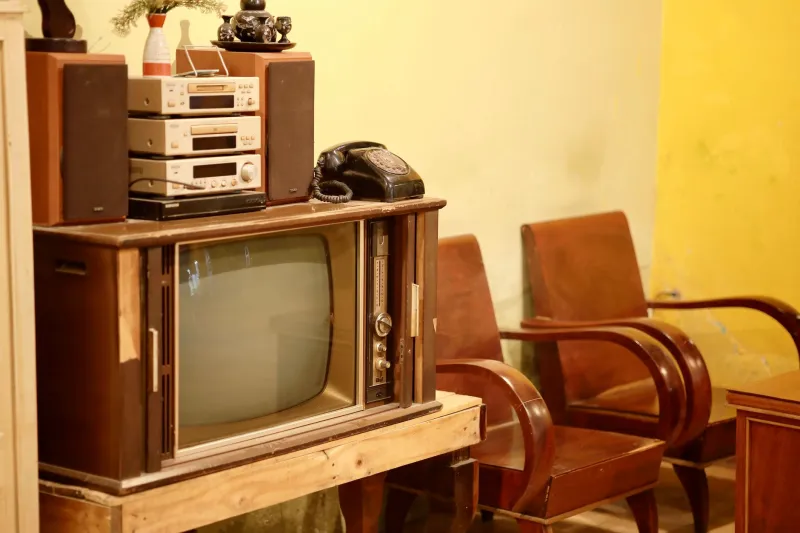
There is a particular kind of magic that happens when a song leaves the radio and lands in a living room. For the Bee Gees, American television was that landing place. Long before streaming queues and on-demand clips, a Bee Gees appearance was an event you planned around. The rabbit ears went up, the dial turned, and suddenly three brothers were right there beside the sofa, singing harmonies that felt both impossibly polished and warmly human.
They did not just sell records. They showed up. And in showing up, they became part of the furniture of American pop culture.
The Sunday Night Handoff
By the late 1960s, the Bee Gees had already made their mark on American radio with songs like 'To Love Somebody' and 'I Started a Joke.' But television gave them faces, personalities, and a sense of scale. Variety shows were still the great national campfire, and an appearance on a Sunday night program could turn a promising import into a household name.
The brothers looked nervous and elegant, three voices stacked in close formation. American viewers met the harmonies before they ever met the disco. That mattered. It meant that when the white suits and the falsetto arrived years later, the audience already knew there was craft underneath the sparkle. The TV set had done its quiet work: it had made the Bee Gees familiar.
For a kid in Ohio or a family in California, the experience was communal. You did not rewind. You did not skip. You sat there and listened, and the next day at school or work you talked about it. That is how a group becomes a memory.
Bandstand and the Teen Machine
If the Sunday night variety shows lent prestige, 'American Bandstand' lent pulse. Dick Clark's afternoon institution was where teenagers studied hair, clothes, and the way a group carried itself. The Bee Gees fit the model perfectly: brothers, suits, hooks, and harmonies that could survive the tinny speaker of a bedroom radio.
Bandstand and similar shows helped translate the Bee Gees into a visual language for young America. The brothers were not a faceless studio act. They were a trio with distinct personalities, and the camera loved the way they leaned into a chorus together. Even when the songs were melancholy, the presentation had motion. That combination kept them in the conversation as pop moved from psychedelic swirls to softer singer-songwriter sounds and then, eventually, to the dance floor.
The Specials That Turned the Fever Into Theater
When the disco era hit, the Bee Gees did not just dominate the charts. They dominated the screen. Television specials, awards shows, and variety hours turned the 'Saturday Night Fever' phenomenon into a visual event. The white suits, the medallions, the choreography, the falsetto soaring over a live band — all of it was practically made for broadcast.
Even viewers who never set foot in a disco knew the moves because they had seen them on TV. The small screen made the fever contagious in a different way. It gave the music a theatrical frame and turned the brothers into larger-than-life figures. For fans, those broadcasts were not just promotional stops. They were family gatherings with a hit soundtrack.
The Later Living Room Returns
As the decades rolled on, the Bee Gees returned to American television as elder statesmen. Talk shows, tribute programs, and concert specials gave audiences a chance to hear the harmonies age into something warmer and more reflective. The urgency of the disco years softened, but the precision remained. Watching them in later years was like visiting a house you had known as a child: the rooms were the same, and the light had changed.
For longtime fans, those later appearances were reunions. For newer listeners, they were invitations. Television kept the door open.
Why the Small Screen Kept the Harmony Big
Television is supposed to be ephemeral — here tonight, gone tomorrow. But the Bee Gees' best small-screen moments refused to disappear. Today, a grainy clip on a phone can still stop a room. A chorus from a 1970s special still lands. That is the strange power of the living room stage.
The records made the Bee Gees immortal. American television made them feel like neighbors. And for generations of fans, that is the real story of how three brothers stayed alive in the heart of the country.