The Atlantic Connection: Arif Mardin and the Studio Alchemy Behind the Bee Gees' Soul Turn
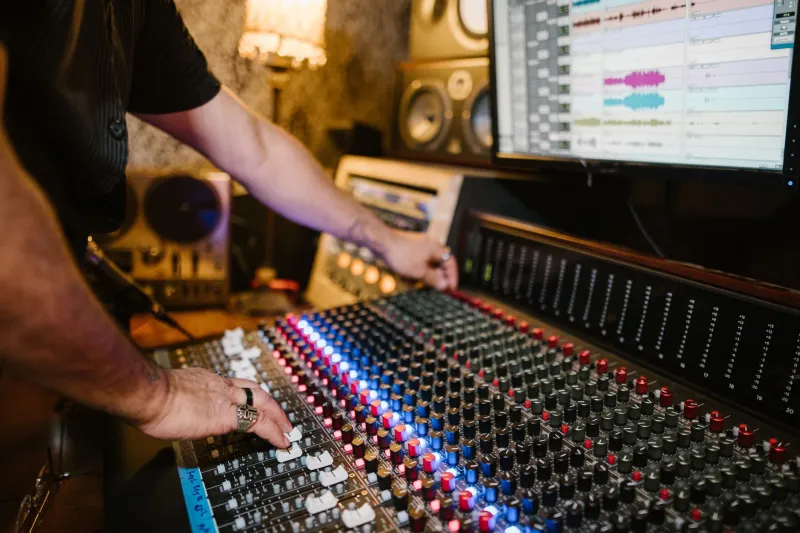
Some fans call him the sixth Bee Gee. That may be a stretch for a producer and arranger who never stepped near a microphone, but on the records that changed everything, Arif Mardin was more than a hired hand at the board. He was the translator between the brothers' melodic instincts and the American marketplace, the guy who heard what they were reaching for and knew how to get it onto tape.
From Atlantic Avenue to the Control Room
Mardin's background is the key to understanding why he fit the Bee Gees at exactly the moment they needed a reset. Born in Istanbul and trained in the United States, he came up through Atlantic Records, one of the great American labs for R&B, soul, and pop crossover. He worked with Aretha Franklin, Dusty Springfield, and a long list of artists whose records had to sound at home on both pop radio and soul stations. That was not a small thing in the early 1970s. Atlantic knew how to make a song swing without losing its polish, and Mardin knew how to arrange horns, strings, and rhythm sections so they felt like part of the song rather than decoration.
By the time the Bee Gees were looking for a new direction, their early hits felt like part of another era. They had the voices and the songs, but the sound needed to move. Mardin did not erase what made them distinctive. He sharpened it. He brought a more rhythmic feel, a tighter relationship between the drums and the bass, and a sense of space that let the harmonies breathe while still pushing them toward the dance floor.
What Mardin Heard in the Brothers
A good producer does not just pick songs. He identifies the part of an artist that the audience has not yet heard. Mardin seemed to understand that the Bee Gees could be more than ballad makers. Their voices had a natural blend that could glide over a funky track, and their songwriting could carry a groove without losing its melancholy edge. That combination, blue-eyed soul with a soft landing, became the foundation of their American comeback.
The Mr. Natural Pivot
Mr. Natural is where the partnership starts to show. The album did not set the charts on fire the way the next few records would, but it pointed the way. The title track has a pulse that feels different from the earlier Bee Gees sound, and songs like Charade and Throw a Penny show a band testing a more soulful, rhythm-forward approach. Mardin's arrangements keep the harmonies front and center, but the bottom end has more snap. For listeners who only know the Saturday Night Fever era, this is the bridge record, the one where the brothers start dressing their songs in American rhythm and blues clothes.
Main Course and the Falsetto Breakthrough
Main Course is the album where the partnership paid off in a big way. Jive Talkin' announced the new sound with a groove that seemed to come from everywhere at once, and Nights on Broadway gave Barry a chance to push his voice into the higher register that would soon become the group's signature. Mardin did not invent the falsetto, of course, but he helped place it in a setting where it sounded thrilling rather than fragile. The production is crisp and patient. The drums are tight, the keyboards have bite, and the vocal blend sits high in the mix without swallowing the rhythm.
That same record includes Fanny (Be Tender with My Love) and Wind of Change, two tracks that show how well Mardin could balance tenderness and movement. He was not afraid of a big pop chorus, but he also knew when to let a verse simmer. The result was a record that felt modern without sounding trend-chasing, which is a harder trick than it sounds.
Children of the World and the Disco Finish
By Children of the World, the Bee Gees were fully in their disco-soul phase, and Mardin was there to help shape the finish. You Should Be Dancing is the obvious standout, a track built for movement, but the album also has Love So Right and Boogie Child, songs that show how flexible the new sound had become. Mardin's contribution was not about adding more. It was about knowing what to leave out, keeping the arrangements clean enough for radio and rich enough for the dance floor.
A Listener's Guide to the Mardin Touch
If you want to hear what Mardin brought to the partnership, start with Mr. Natural and listen for the way the rhythm section pushes against the melody. Then play Jive Talkin' and Nights on Broadway back to back. The first shows the groove; the second shows the vocal leap. Add Fanny (Be Tender with My Love) for the arrangement's softer side, and You Should Be Dancing for the full disco finish. For a deeper cut, try Wind of Change or Charade and notice how the harmonies are framed rather than buried.
Why the Atlantic Connection Still Matters
The Bee Gees' story is often told through the bright lights of the disco era, but the foundation was laid in the studio, with a producer who understood American radio and soul music from the inside. Arif Mardin helped the brothers sound like themselves and like the future at the same time. That is the quiet work of a great producer, and it is still audible every time one of those records comes on.