The Morning After the Fever: Living Eyes at 45 and the Bee Gees' Most Honest Record
Forty-five years ago this month, the Bee Gees released Living Eyes into an America that had spent the previous few years dancing itself into a complicated relationship with disco. The album arrived in November 1981, not as a victory lap but as a cautious step forward. In 2026, it sounds less like a commercial misstep and more like a portrait of three brothers refusing to become a caricature.
For longtime fans, that makes Living Eyes a strange kind of gift. It is the album that came after the storm, when the hits were still enormous but the temperature had changed. And it is the album that proves the Bee Gees were never just a reaction to a moment. They were songwriters, arrangers, and harmony singers who happened to catch a wave that changed pop music forever.
A Record That Walked Into a Headwind
By the time Living Eyes came out, the cultural mood had turned. Radio had moved on, or at least it was trying to. The word disco had become a punchline in some corners, and the Bee Gees were unfairly cast as the face of its excess. It was a bizarre turn for a group whose catalog was already far broader than any one sound.
What makes Living Eyes so interesting is that it does not run from that history. It also does not try to repeat it. Instead of chasing another Stayin' Alive, the brothers leaned into melody, texture, and restraint. The result is a record that feels mature rather than calculated. It is the sound of a band saying, in effect: we know what you think we are. Here is what we actually do.
That alone gives the album a kind of dignity. It was not the commercial blockbuster fans had come to expect, but it was not a retreat either. It was a working band making a working record in a hostile climate.
The Tracks That Deserved a Longer Look
The title track sets the tone beautifully. Living Eyes is a ballad with a soft landing and a weary kind of wisdom, the sort of song that rewards a quiet room and a good pair of headphones. It does not shout for attention. It waits for you to lean in.
Then there is He's a Liar, which has a sharper edge and a bit more bite. It shows the brothers could still push into rock-adjacent territory without losing their signature blend. Tracks like Paradise and Don't Fall in Love with Me keep the album moving through different shades of pop, soul, and balladry without ever sounding desperate to fit a format.
For American listeners who came to the Bee Gees through the fever years, these songs can feel like a discovery. They are not the hits you hear at every wedding reception. They are the deeper cuts that reward the fans who stuck around after the mirror ball came down.
Craft Over Costume
One of the quiet pleasures of Living Eyes is how much space it gives the voices. The harmonies are still unmistakably Bee Gees, but they are not stacked to the ceiling at every turn. There are moments where the arrangement pulls back and lets a single voice carry the weight. That restraint makes the bigger moments land harder.
The production has aged better than some of the era's more ornate records because it trusts the songs. There are no overstuffed gestures here, no attempt to out-spectacle Saturday Night Fever. Instead, the album sounds like three brothers and a trusted team of players working in a room, finding the right take rather than the loudest one.
That is why Living Eyes works as more than a footnote. It is a craft record. It is a record about writing, singing, and arranging. And for a group so often reduced to a single cultural moment, that feels like a small act of rebellion.
Three Brothers in the Room
There is also something deeply human about the album when you listen to it now. The Bee Gees had been through the kind of fame that bends a family in strange directions. Living Eyes does not pretend otherwise. You can hear weariness in some of the ballads, but you can also hear resilience. The brothers are still blending, still trading lines, still finding that strange, airtight chemistry that made them unique in the first place.
That chemistry is the album's real engine. Barry, Robin, and Maurice each bring a different color to the mix, and the record gives them room to be distinct without breaking the group identity. For fans, that is the heart of it. Living Eyes is not a reunion or a reinvention. It is a family conversation that happens to be set to music.
Why It Outlived the Backlash
Time has a way of sorting the records that were merely timely from the ones that were actually good. Living Eyes was not the album that defined 1981, and it was never going to be. But 45 years later, it has outlasted the backlash because it was made with care rather than panic.
It also gives fans something the bigger hits cannot always provide: context. The fever years are exhilarating, but Living Eyes shows what came after the glow. It shows the Bee Gees as working artists, not just pop monuments. And it shows that their best qualities, melody, harmony, and emotional precision, did not disappear when the culture moved on.
In 2026, that makes the album feel oddly contemporary. We live in an era of rapid backlash cycles and shortened attention spans. Living Eyes is a reminder that a record can be misunderstood in its moment and still find its people later. Sometimes the audience just needs a few decades to catch up.
How to Hear It Now
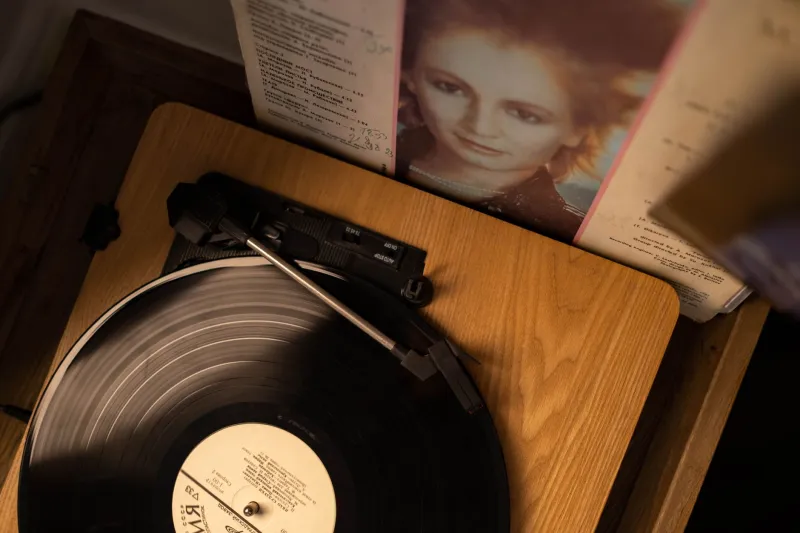
If you have worn out Spirits Having Flown and you think you know the Bee Gees story, start with Living Eyes. Put it on in the evening, preferably on vinyl if you have it, and let the title track set the mood. Then follow the album where it goes. Do not skip around looking for another Tragedy. This is a different kind of record.
It is an album for the fans who love the harmonies more than the hype, for the listeners who want to hear the brothers after the fever broke. Forty-five years on, Living Eyes is not a comeback story. It is a staying-power story. And for the Bee Gees, staying power was always the real triumph.