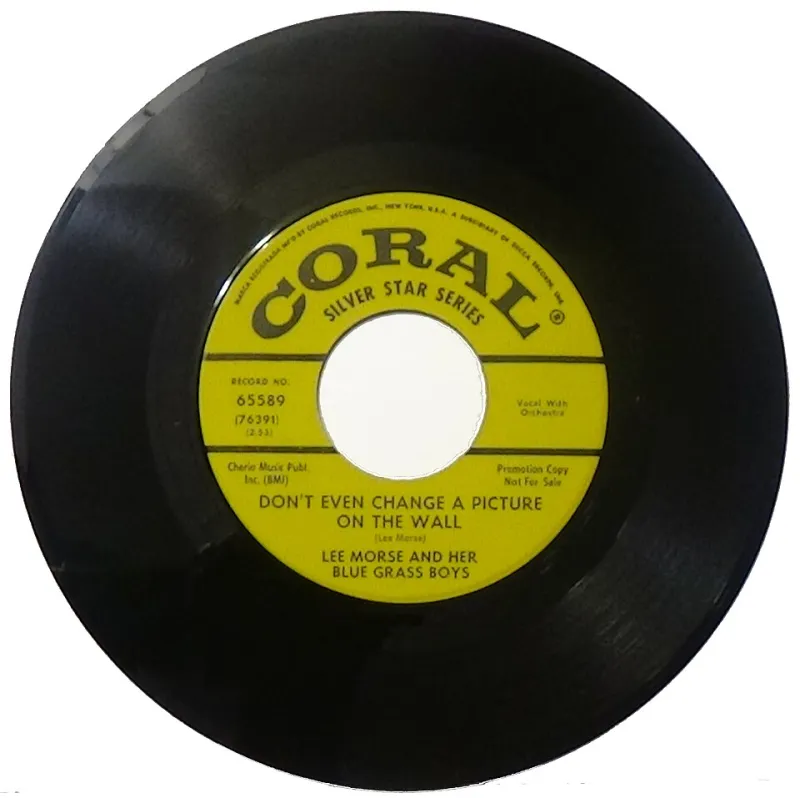
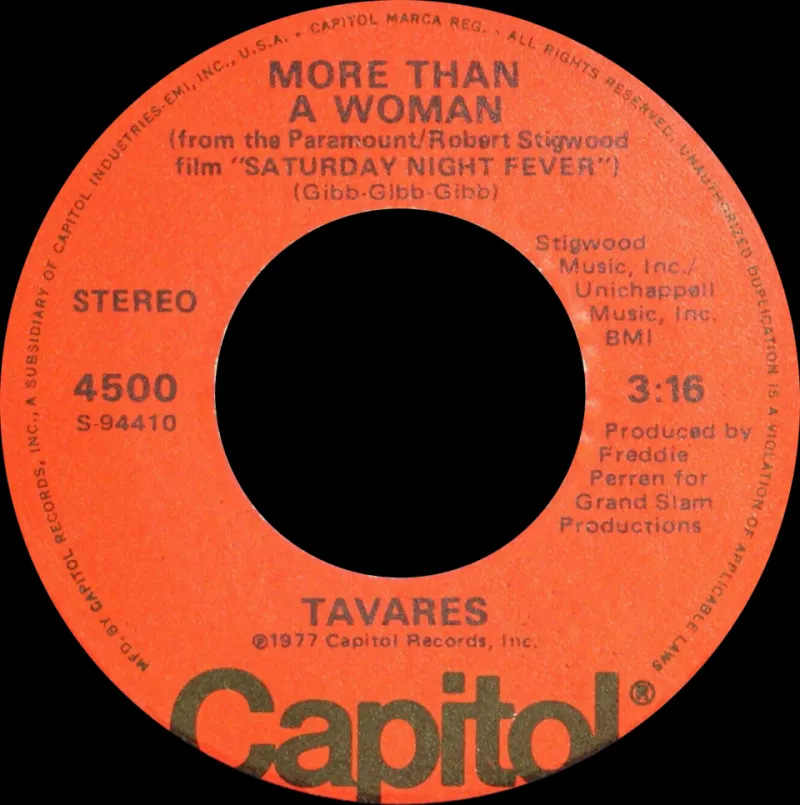
Buttons, Tees, and Paper Gold: A Bee Gees Merch Collector's Field Guide
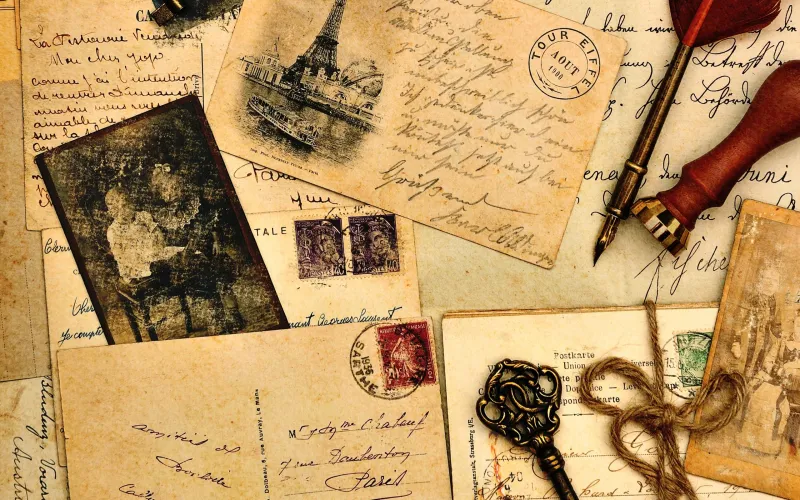
Photo: vintage concert t-shirts buttons tour programs collection, via wallpapercave.com
For Bee Gees fans, the merch table is a memory machine. A tour program, a button, a shirt with a slightly cracked print — these are the objects that bring a concert back in a rush. And for US collectors, the fun is in the hunt: learning the difference between a genuine 1970s souvenir and a modern reprint, then building a display that tells the band's story without turning your living room into a museum storage closet.
The Mail-Order Years
In the 1960s, Bee Gees merchandise was often paper first. Fan club mailers, newsletters, glossy photos, sheet music, and small badges were the currency of fandom. American fans sent away for photos and clipped ads from magazines. Those pieces are fragile now, which is part of their charm. Look for period typography, aged paper, and a postmark or mailing label that fits the era. A crisp, bright reprint can look tempting, but it rarely has the soft edges and faint discoloration of real paper that has spent decades in a drawer.
The Fever-Era Table
The late 1970s changed everything. Tour programs got thicker, shirts got bolder, and buttons became a way to wear the fever on your jacket. The classic Saturday Night Fever-era tour book is a time capsule of photography, ads, and graphic design. T-shirts from that period often carry a copyright line, a fabric tag, and a screen print that has cracked or faded in a way that is hard to fake convincingly.
If you are buying a vintage tee, check the tag first. Single-stitch construction, a period-correct label, and a copyright date are good signs. Then look at the print. Real vintage screen printing often has a soft hand and tiny imperfections. A shirt that says vintage-style on the label is usually telling you exactly what it is: a modern shirt with a retro design.
The Eighties and Nineties
By the 1980s and 1990s, the merch table had expanded. Tour books, cassettes, promo photos, laminates, and fan club kits gave collectors more to chase. These items are often more affordable than Fever-era pieces, which makes them a good entry point. A laminated backstage pass or a folded tour poster can add texture to a display without requiring a vault.
What's on the Table in 2026
As of 2026, the official Bee Gees online store remains the safest place to buy new merchandise. Apparel, accessories, and anniversary-style collectibles come and go, so it pays to check back around tour anniversaries, album milestones, and the holiday season. Official pieces may not have the thrill of a flea market find, but they give you a clean, authorized option — and they support the legacy.
Spotting the Real Deal
A practical checklist for US collectors:
- Provenance: Ask where the item came from. A ticket stub, a handbill, or a photo from the same haul helps.
- Paper: Vintage paper usually has a little age toning. Reprints can be too white and too stiff.
- Printing: Look for dot patterns, ink texture, and slight registration errors.
- Tags: On shirts, check the label, stitching, and copyright line.
- Measurements: Vintage sizes run small. A modern XL is not a 1970s XL.
- Spelling: Reproductions sometimes slip on song titles, venue names, or copyright dates.
- Smell: A genuine old shirt should not smell like a brand-new mall store.
Display That Tells the Story
The best displays are not the most crowded. Choose a theme: the Fever years, the early harmonies, or Andy's solo run. Frame paper items with archival mats and UV glass. Keep shirts out of direct sunlight and rotate them every few months. A shadow box with a ticket stub, a button, and a tour program can tell a whole night's story in one square of wall space. Label things. Future you will forget which venue that stub came from.
Where to Hunt in the States
Record stores, estate sales, collectibles shows, and online marketplaces are all fair game. eBay and Discogs are useful for research, but compare sold prices, not asking prices. Fan forums and Facebook groups can connect you with longtime collectors who know the difference between a tour book and a program insert. Ask questions. Most collectors enjoy talking about the hunt.
The merch table has changed a lot since the 1960s, but the impulse is the same. Fans want a piece of the night to take home. In 2026, that might mean a new official tee or a carefully framed 1978 button. Either way, the story is the same: three brothers, a song, and a crowd that wanted to remember.